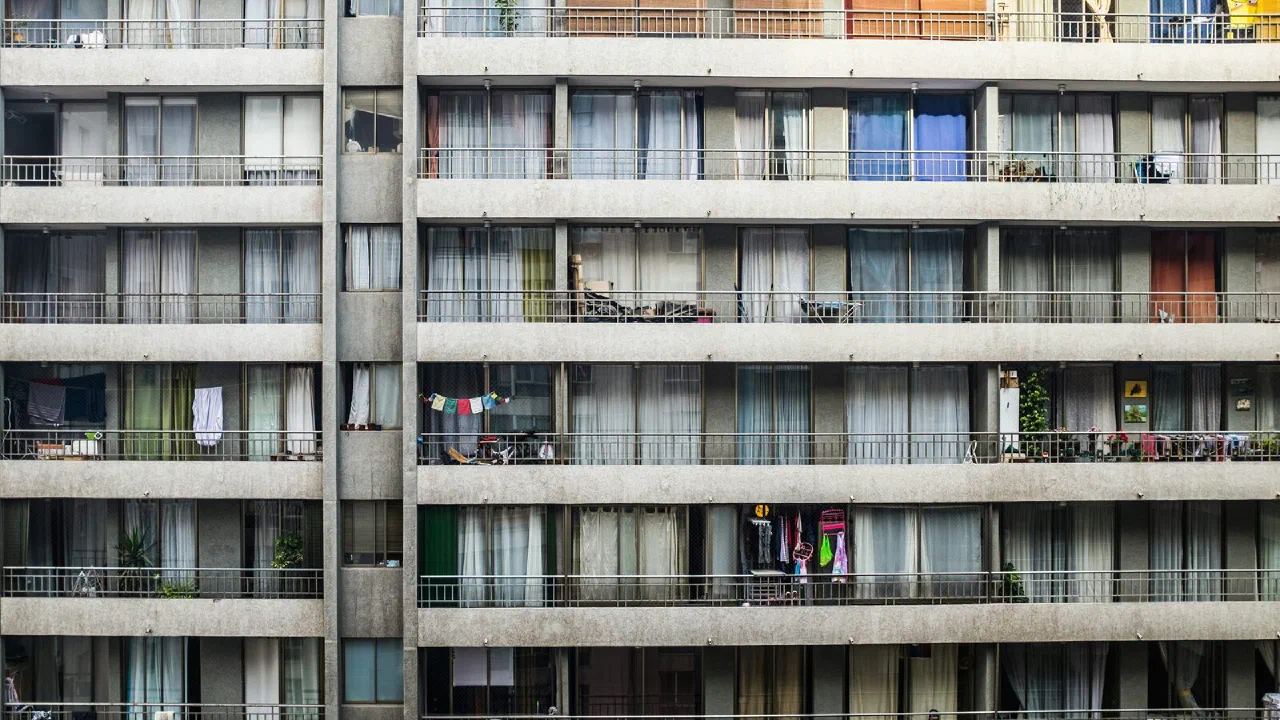
Search in Spanish and walk the street. That is where affordable housing in Ecuador is advertised, and in Cuenca, Ecuador it is a different set of places from the ones you will find first. The English-language channels are real, honest and convenient; they are also the expensive end of the market by construction, because they were built for a buyer who will pay in them.
And one rule that overrides everything else in this post: never send money for a flat you have not stood inside. Not a holding deposit, not a first month, not a “reservation”. Every rental fraud that has ever been described to me here worked the same way — a convincing listing, an owner who cannot meet this week, and a transfer to secure it. There is no circumstance in which that is the only way to get a flat in this city.
Checked on 6 October 2026.
The channels: where affordable housing in Ecuador is actually advertised
Four, and the ordering is roughly the price ordering — which is most of the foreigner price on rent.
Short-let platforms, taken monthly. You can book one before you land, which is the whole of their value. Use one for four to six weeks deliberately, as the place you search from, and do not use one for a year. The monthly rate on a short-let platform is the most expensive way to live here.
The foreigner classifieds and the Facebook groups. Cuenca has a genuine English-reading local press and classifieds — GringoPost and YapaTree are the two that have been running the whole time I have been here, and CuencaHighLife is the news site rather than a listings site, so do not go to it looking for flats. Alongside them sit several city and country Facebook groups where flats are posted directly by owners and by agents. All of this is fast, friendly and priced for the channel. You can find somewhere in three days here, and that convenience is exactly what you are paying for.
The Spanish-language portals and local agencies. This is the main market. Plusvalía is the long-running national property portal; there are others, they come and go, and the reliable way to find whichever is current is to search the terms rather than remember a brand. The terms are:
- departamento en arriendo Cuenca — flat to rent
- departamento amoblado / sin amoblar — furnished / unfurnished
- arriendo plus the barrio name — El Vergel, Yanuncay, Ordóñez Lasso, El Centro
Translate the search, not the listings. Then let the browser translate what comes back.
The sign in the window. Se arrienda, a phone number, nothing else. The cheapest stock in the city is advertised this way and it is not advertised anywhere else, because the owner is a person with one flat who has never used a portal. It requires you to be physically in the barrio you want, on foot, which is why it is the last channel most arrivals use and the first one they should.
An afternoon walking one street with your phone out, photographing numbers, is worth more than a week of scrolling. I have found two of my three flats that way.
| Channel | Price | Speed | What it asks of you |
|---|---|---|---|
| Short-let, taken monthly | Highest | Bookable before you land | Nothing — which is the point, and the cost |
| Foreigner classifieds, Facebook groups | High | Days | English only |
| Spanish portals and local agencies | Market | A week or two | Three questions in Spanish |
| Se arrienda in a window | Lowest | Slow | Being in the barrio, on foot |
Read that as one decision rather than four: you are choosing how much of the search you do yourself, and the price follows.
Which listings are real
Three distinct problems get described as “fake listings” and they need different responses.
The recycled listing — a real flat, let months ago, never taken down, kept up by an agent because it generates calls. Harmless, and most of what you will hit. The tell is a listing that has been “available immediately” for a long time, or one reposted on a new date with the same photographs.
The bait listing — a real flat at a price nobody will get, used to start a conversation that ends at a different flat. Also common, also not fraud, and it wastes your afternoon rather than your money.
The fraud — a flat the advertiser does not control, photographs taken from somewhere else, and a request to transfer money to hold it. Rare, and the only one that costs you anything irrecoverable.
Six questions separate all three, and they take four minutes on the phone.
- “Can I see it today or tomorrow?” A listing that cannot be viewed inside forty-eight hours is either let or not real. This one question removes most of the pile.
- “Which floor, and which street?” A specific answer, immediately. Vagueness about the address is the single strongest signal of a listing the advertiser does not control.
- “Are you the owner or the agent?” Either is fine. An unwillingness to say is not.
- “Is it furnished, and what exactly comes with it?” The answer should be a list rather than an adjective.
- “What is the rent, the deposit and the alícuota?” Three numbers. A listing that will only discuss the rent is a listing with a surprise in it.
- “Can we do a short video call from inside the flat?” If you are still abroad, this is the substitute for standing in it — and it is a substitute for checking it exists, not a substitute for viewing it before you pay.
The phone version of question one, which is the only line you really need:
«Buenos días, llamo por el departamento en arriendo. ¿Está disponible y puedo verlo hoy o mañana?»
Good morning, I’m calling about the flat for rent. Is it available, and can I see it today or tomorrow?
Before any money moves
Three checks, all of them free, in this order.
Stand in the flat. Not a video, not a photograph. Inside it, with the door open and the taps running.
See the owner’s identification and confirm the name matches the person signing. Ask for the cédula or the RUC of whoever is on the contract. This is an entirely normal request here and the refusal of it tells you to walk away.
«¿Me puede mostrar su cédula para el contrato, por favor?»
Could you show me your identification for the contract, please?
Pay in a way that leaves a trace, and get it acknowledged in writing on the day — the deposit post has the wording.
That is the whole of fraud prevention here. It is not sophisticated, and it does not need to be.
Three things that will make the search shorter
Decide the neighbourhood before you decide the flat. The barrio sets the rent band, the walk, the noise and the altitude, and a flat that is wrong on any of those is wrong for a year. The neighbourhood decision comes first, and it is arithmetic rather than taste.
Go in person for the second half of the search. Everything you do from abroad is in channels one and two. Everything in channels three and four needs you to be here. Arrive on a short let and accept that the first fortnight is work.
Look at the building, not just the flat. Water pressure on the top floor, the lift, the gate, whether the stairwell is swept, whether the alícuota is current. The flat is what the photographs show you; the building is what you will actually live in.
What I would do with four weeks
Day one to seven: short let booked from abroad, in roughly the part of town you think you want. Walk it. Day seven to fourteen: Spanish portals plus the window signs, viewing three or four a day, asking the six questions by phone first so you are not crossing the city for a flat that was let in July. Day fourteen to twenty-one: shortlist of three, second viewings, one of them in the evening so you hear the street at nine at night. Day twenty-one onwards: negotiate on term, read the contract at home, go back the next day with the gaps marked.
Four weeks of short-let rent, spent to avoid twelve months of the wrong flat at the wrong price. That is the trade, and it is not close.
Sources
- GringoPost, YapaTree and CuencaHighLife are named for what they publicly are — two classifieds read by foreigners in this city and one local news site. No endorsement and no relationship; checked as running on 6 October 2026.
- Plusvalía is named as a long-running national property portal, on the same basis. Portals here open and close, so the search terms above are the durable part, not the brand.
- The six questions, the three kinds of bad listing, and the four-week sequence are reported from six years of renting in this city and from helping other people look. Observed rather than published, checked on 6 October 2026.
- No rent figure appears above. Rents here vary by barrio, floor and furnishing by more than any average would usefully convey.