If you are here for under a year, take a furnished apartment in Cuenca, Ecuador and stop thinking about it. If you intend to stay — and most people who get as far as a second lease do — take the unfurnished flat and furnish it, because the premium compounds every month and the exit from furniture here is unusually easy. That is the call.
The reason it is worth more than a paragraph is that the word does not mean what it means at home. Amoblado here spans everything from a flat you could move into with a suitcase to a flat containing a bed, a table and four chairs. Both are advertised with the same word, at prices that overlap, and the only place the difference is ever pinned down is an inventory that most tenants never ask for.
Checked on 6 October 2026.
What amoblado actually covers
There are three states in the listings, and the middle one is where the arguments happen.
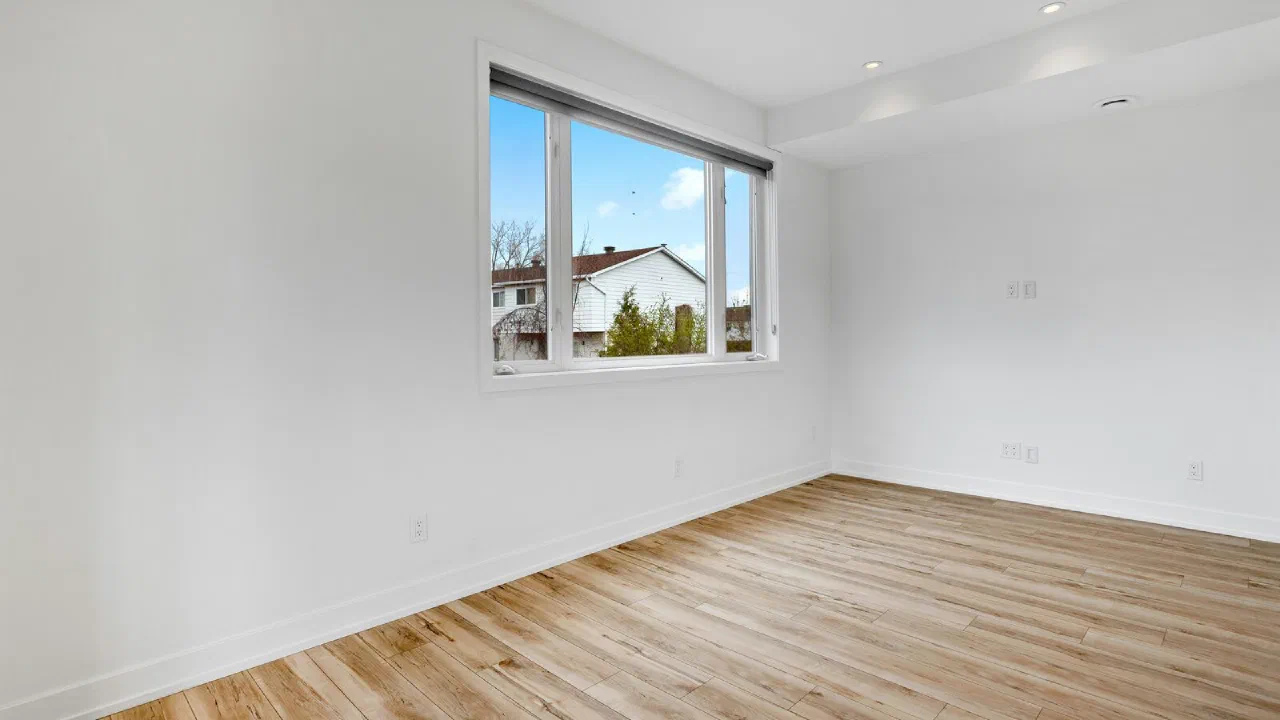
Unfurnished — sin amoblar. Empty. In this city that often means emptier than you expect: in the older stock, built-in wardrobes are not a given, so “unfurnished” can mean there is nowhere to put clothes. Light fittings and curtain rails may or may not be there.
Semi-furnished — semi amoblado. The genuinely ambiguous category. Usually the large items: a bed, a wardrobe, a table, sometimes a sofa. Rarely the kitchen beyond what is built in.
Furnished — amoblado. At the top of the range this means you could arrive with a suitcase, kitchen inventory included. At the bottom of the range it means semi-furnished with a kettle. The price does not reliably tell you which, because the price is set by the neighbourhood and the channel far more than by the furniture — which is the foreigner price on rent in one sentence.
So: never accept the adjective. Ask for the list.
«¿Me puede enviar una lista de lo que incluye el departamento?»
Could you send me a list of what the flat includes?
The eleven things to confirm, not assume
Go through these on the viewing, item by item, and write the answers down. The ones people get caught by are not the obvious ones.
- Bed and mattress — and the age of the mattress. You are going to sleep on it for a year. Ask, and sit on it.
- Somewhere to hang clothes. A wardrobe, or a built-in closet. Do not assume.
- The hob — and separately, the oven. A hob is standard; an oven is considerably less so in flats here than in North America. If you bake, this is a real question and not a detail.
- The fridge, and whether it is the owner’s or the last tenant’s. A fridge nobody owns is a fridge nobody will repair.
- A washing machine — the item most often absent. Ask where laundry happens. In a lot of buildings it is an open or roofed service area rather than a utility room inside the flat, and in some it is a shared machine. Fine either way, but find out before the first Saturday.
- The water heater, and whether it is gas or electric. At this altitude the cold water is cold, and the heater is the appliance this decision really turns on.
- Curtains or blinds. Cheap to buy, startling to discover missing on your first morning.
- Light fittings. Bare flexes in an otherwise furnished flat are not unusual.
- Crockery, pans, cutlery, glasses — a yes/no per category, not an overall impression.
- A dining table and chairs, and how many chairs. Count them.
- Anything the last tenant left that nobody owns. Get it listed as the owner’s or as yours in writing, because at the end of the term an unowned item is an argument.
All eleven go on the same signed inventory you are already making for the deposit record. One document, one half-hour, two problems solved.
The arithmetic, which is a method rather than a figure
I am not going to give you a furnished premium in dollars or a cost to furnish a flat. Both vary too widely by barrio, by channel and by taste for an average to be anything but misleading. What is stable is the shape of the calculation, and it has four terms.
- The monthly premium. Price the same flat, or two flats as close as you can get in the same building or street, furnished against unfurnished. The difference is your premium. Do this yourself; it is the only number in this post you cannot read off anything.
- The months. How long you actually intend to stay, not how long the lease runs.
- The cost to furnish. Price the real list — bed, wardrobe, table, chairs, sofa, fridge, washing machine, kitchen. Price it secondhand as well as new, because of term four.
- What you recover on the way out. This is the term everybody forgets and the one that decides the answer here.
Premium × months against cost-to-furnish minus recovery. If the premium pays for the furniture inside your intended stay, buy the furniture.
Why the exit is easier here than you expect
This is the part that is specific to this city and that no general guide will tell you.
Cuenca has a continuous turnover of foreign residents, and a share of them leave every year. They leave with flats full of furniture they cannot ship and do not want to store, and they sell it through the same classifieds and Facebook groups you used to find the flat. So there is a genuinely liquid secondhand market in exactly the items on the list above, running in English, all year.
Two consequences. You can furnish cheaply and quickly by buying from someone who is leaving — often including the delivery, because they want it gone. And your own recovery term is not zero, which is what makes term four above matter: furniture bought secondhand and sold secondhand loses far less than furniture bought new. Buy secondhand, and the break-even arrives much sooner than the furnished premium’s arithmetic suggests on new prices.
The flip side, honestly stated: that market is a market of departing foreigners, which means the prices in it are foreigner prices. The local secondhand and the furniture workshops in this city are cheaper again, and made-to-measure carpentry is genuinely available here in a way it is not at home. That is a Spanish-language errand rather than a Facebook one.
What not to do
Do not ship furniture to solve this. The container question — menaje de casa — is a separate decision with its own arithmetic, and it is almost never won by a sofa. I came with two suitcases and have never regretted it.
Do not buy the mattress secondhand. The one exception to everything above. Buy that new.
Do not take furnished for the first year and then assume you will switch. You will have a lease, and a flat, and no desire to move. If you intend to stay, make the unfurnished decision at the start, or accept that you are paying the premium for as long as you live in that flat.
Do not let the furniture choose the flat. The floor, the light, the noise and the walk are what you live with daily. Furniture is three weekends and a van.
The short version
| Staying | Take | Because |
|---|---|---|
| Under a year | Furnished | The premium never pays for the furniture, and your exit is a suitcase |
| A year, undecided | Furnished, flat with a good inventory | Keep the option; get the list signed |
| A year or more, intending to stay | Unfurnished, furnished secondhand | The premium compounds and the recovery term is real |
And in all three cases: get the inventory, signed and dated, with photographs. The adjective in the listing is not a term of the contract. The list is.
Sources
- The three listing states, the eleven items and what is and is not standard in this city’s rental stock — built-in wardrobes, ovens, washing machines, the service area — are reported from three flats over six years here and from viewing a great many more. Observed rather than published, checked on 6 October 2026.
- The secondhand market in departing residents’ furniture runs through the city’s English-language classifieds and Facebook groups, described in the post on finding a flat. Named for what they publicly are; no relationship with any of them.
- No furnished premium, furnishing cost or recovery figure appears above. Each varies by barrio, channel and taste by more than an average would convey, and the premium is the one number you have to measure for your own two flats.