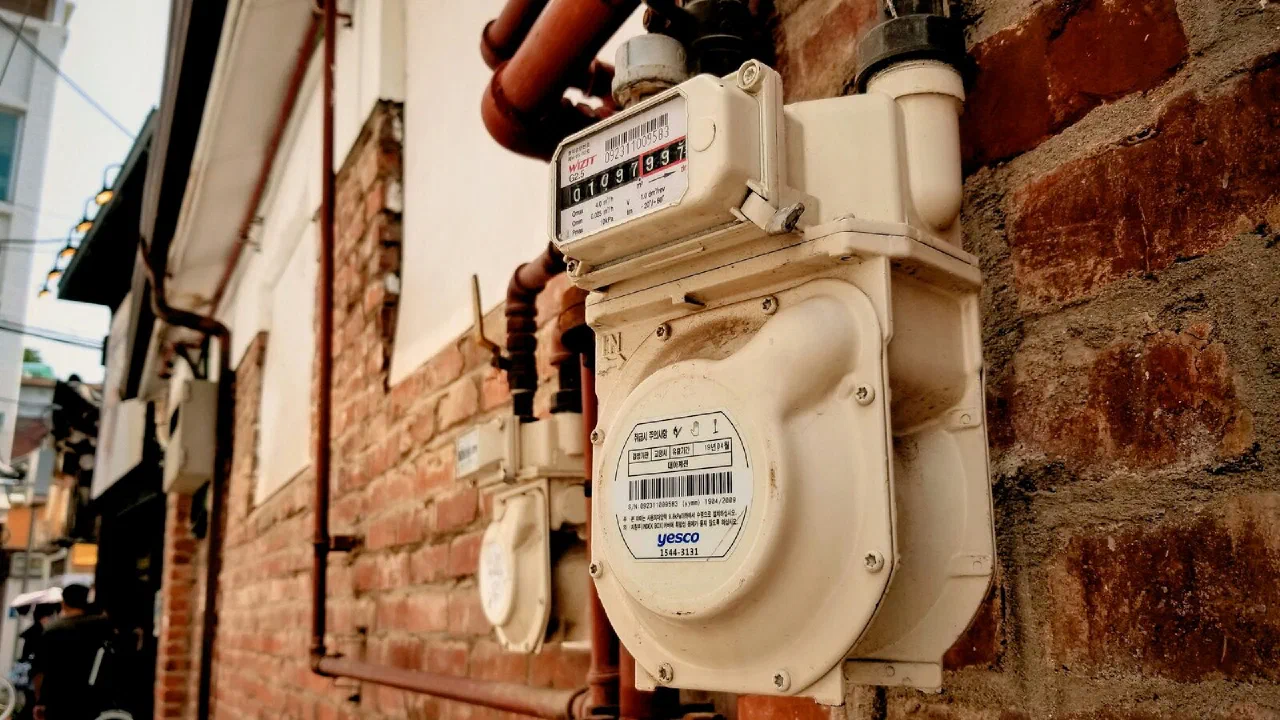
Write down the meter readings before you carry a box through the door. That is the one thing on handover day that cannot be done retrospectively, it takes ninety seconds, and skipping it is how a tenant in Cuenca, Ecuador ends up paying for somebody else’s August. Everything else in this post can be fixed next week — including the gas, which is almost certainly why you are here: search Ecuador gas prices and what you get back is the price of fuel for cars, which has nothing to do with the cylinder in your kitchen.
Three utilities, three different arrangements, and one of them is not metered at all:
- Water and sewerage — and, in most buildings, the internet — from ETAPA, the city’s own public utility.
- Electricity — from Centrosur, the regional distributor for this part of the highlands.
- Cooking gas — a cylinder, delivered by a truck, with no meter and no account.
Checked on 6 October 2026, and I have flagged the figure that moves, which is the cylinder.
Why “Ecuador gas prices” is the wrong search for a tenant
If you have searched that phrase, what you found was almost certainly about fuel for vehicles — gasoline grades, pump prices, the terminal price per gallon. Useful if you are buying a car. Irrelevant to your kitchen.
The gas in your flat is liquefied petroleum gas in a steel cylinder, the domestic kind, and it is a completely separate product from vehicle fuel with a completely separate price. It arrives on a flatbed with a man shouting, or you telephone and it arrives at the door. In most flats here it runs the hob and, very often, the water heater — which is why the gas runs out on the day somebody takes a long shower rather than on a schedule.
I am not going to put a price on the cylinder. Its price is set nationally rather than by this city, it has been revised more than once, and a figure copied off a web page into your budget is exactly the sort of number this site exists to stop you carrying around. What you can rely on is the shape: it is the smallest line in your utility column by a wide margin, smaller than the water and far smaller than the electricity, and it is not a line that decides anything about where you live. Ask the delivery truck or a neighbour what it is this month. That takes one sentence:
«¿A cómo está el cilindro de gas ahora?»
What is the gas cylinder going for now?
Two practical things about the cylinder that nobody mentions. Have a spare. One full cylinder in reserve costs you the price of one cylinder and removes the only utility failure here that happens with no warning. And check on viewing day whether the flat is gas or electric for hot water — because at this altitude the cold water is genuinely cold, and an electric shower heater on a weak circuit is a different living experience from a gas heater. Ask before you sign, not after.
The ninety seconds that matter
On handover day, with the landlord present:
- Read the water meter. Write the number and the date.
- Read the electricity meter. Write the number and the date.
- Have the landlord initial both, on the same condition record you are already making for the deposit.
- Photograph both meters with the numbers legible, and send the photographs in a message the same day. Now the readings are dated by something other than your handwriting.
That is it. Four steps, under two minutes, and it settles in advance the most common deduction from a deposit in this city.
Whose name the account is in, and why it is usually not yours
Here is the arrangement you will probably be offered: the utility accounts stay in the owner’s name, the bills arrive to them, and you either pay them directly or reimburse the landlord. That is the normal case for a one-flat owner, it is not a trick, and it mostly works fine.
It has two costs, and you should decide knowingly rather than drift into it.
You cannot see the bill. A reimbursement you are told the amount of is a number you cannot check against a meter you can read. Ask for the planilla — the bill itself — every month, as a photograph. The request is ordinary:
«¿Me puede enviar la planilla cada mes, por favor?»
Could you send me the bill each month, please?
You have no utility document in your own name. This matters more than it sounds. Counters here ask foreigners to prove an address, and a planilla in your name is the cleanest proof there is — cleaner than a lease that was never registered with the municipality. If you can get one account, internet or water, put in your own name, do it for that reason alone.
Whichever arrangement you end up with, ask the arrears question before you sign anything:
«¿Están al día las planillas de agua y luz?»
Are the water and electricity bills paid up?
Along with the same question about the building’s alícuota. A building or a flat carrying arrears has a problem that becomes the resident’s problem through the supply rather than through the paperwork.
ETAPA, Centrosur and the internet
ETAPA is the municipal utility — water, sewerage, and a telecommunications arm that provides much of the city’s fixed internet. The two things to know as a tenant: your water bill comes from a city-owned company rather than a private one, and the internet in your building may well come from the same place.
Whether ETAPA’s fibre actually reaches your flat is a building-by-building question and not a city-wide one, which is why the only reliable answer is the one you get on site. Ask the neighbours rather than the landlord, and ask what they actually get rather than what they pay for. What works in your building is its own question, and it is worth asking before you commit to a year, especially if you work from the flat.
Centrosur is the regional electricity distributor for Azuay and its neighbours. The useful thing to know about the electricity bill in this city is what is not in it: there is no heating line and no cooling line. Cuenca sits at about 2,560 m and the temperature band is narrow all year, so nobody here runs air conditioning and almost nobody runs central heating. That is the climate as a budget item, and it is the single largest difference between a utility bill here and one at home.
The handover list, in order
- Water and electricity meters read, written, initialled, photographed, sent.
- Whether the accounts are in the owner’s name or yours, and in writing which.
- Bills confirmed paid up to the handover date — water, electricity, alícuota.
- Internet: who the provider is, whether the connection is live, whether it is included.
- Gas: whether the hob and the water heater are gas or electric, whether a cylinder comes with the flat, and where the regulator is.
- A spare cylinder ordered in your first week.
Six items. The first one is the only one that expires.
Sources
- ETAPA is named as the public utility of the city of Cuenca providing water, sewerage and telecommunications, and Centrosur as the regional electricity distributor for this part of the southern highlands. Named for what they publicly are; no figure for either bill appears above.
- The domestic LPG cylinder’s price is set nationally and is deliberately not quoted here. It has been revised in the past and may be again, and a stale figure in a budget is worse than no figure. Ask locally on the day.
- Cuenca’s altitude of about 2,560 m and the resulting absence of heating and cooling load, as recorded on this site on 19 September 2026.
- The handover sequence, the account-name arrangement and the arrears questions are reported from three handovers in this city over six years, observed rather than published, checked on 6 October 2026.